
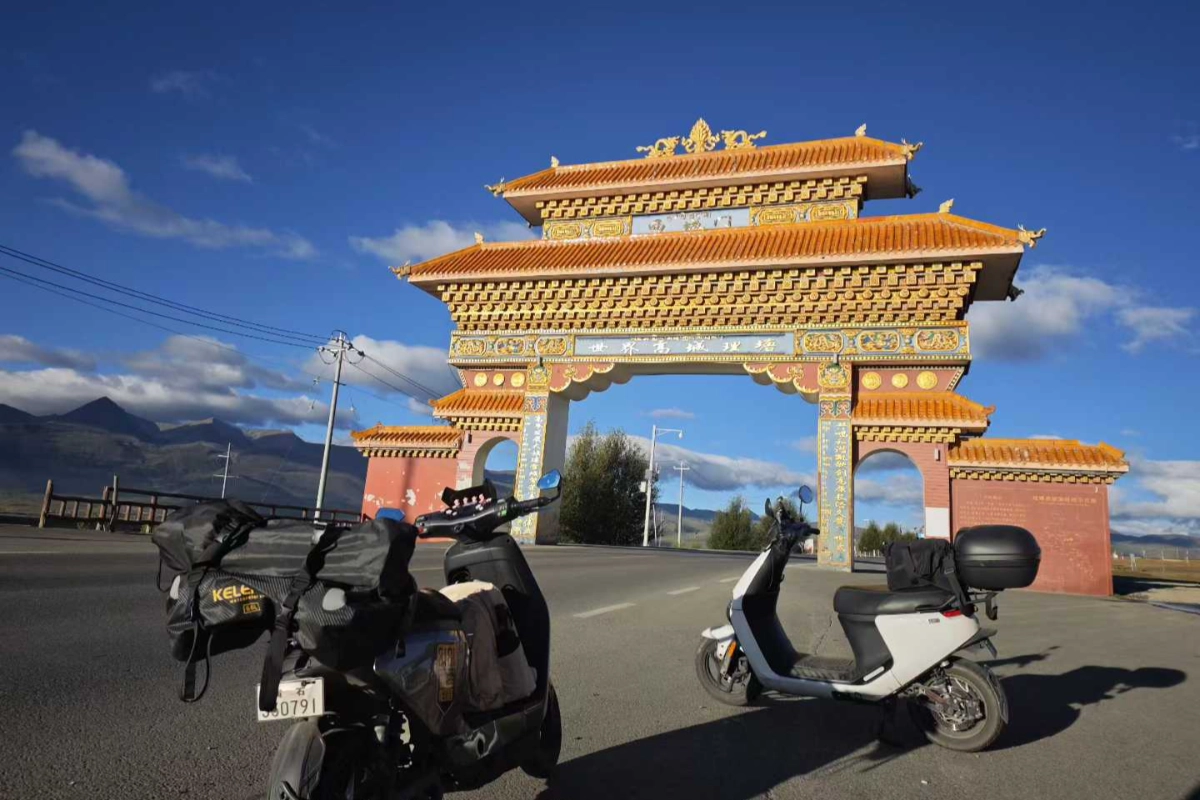

So, I finally did it. I rode an electric motorcycle to Tibet. My friend joined me on this wild adventure, and together, we set off on China’s famous Route 318, a road that promised both breathtaking beauty and serious challenges. The plan was simple: ride our electric adventure bikes through some of the most stunning landscapes on the planet, powered by nothing but electricity and a thirst for the open road.
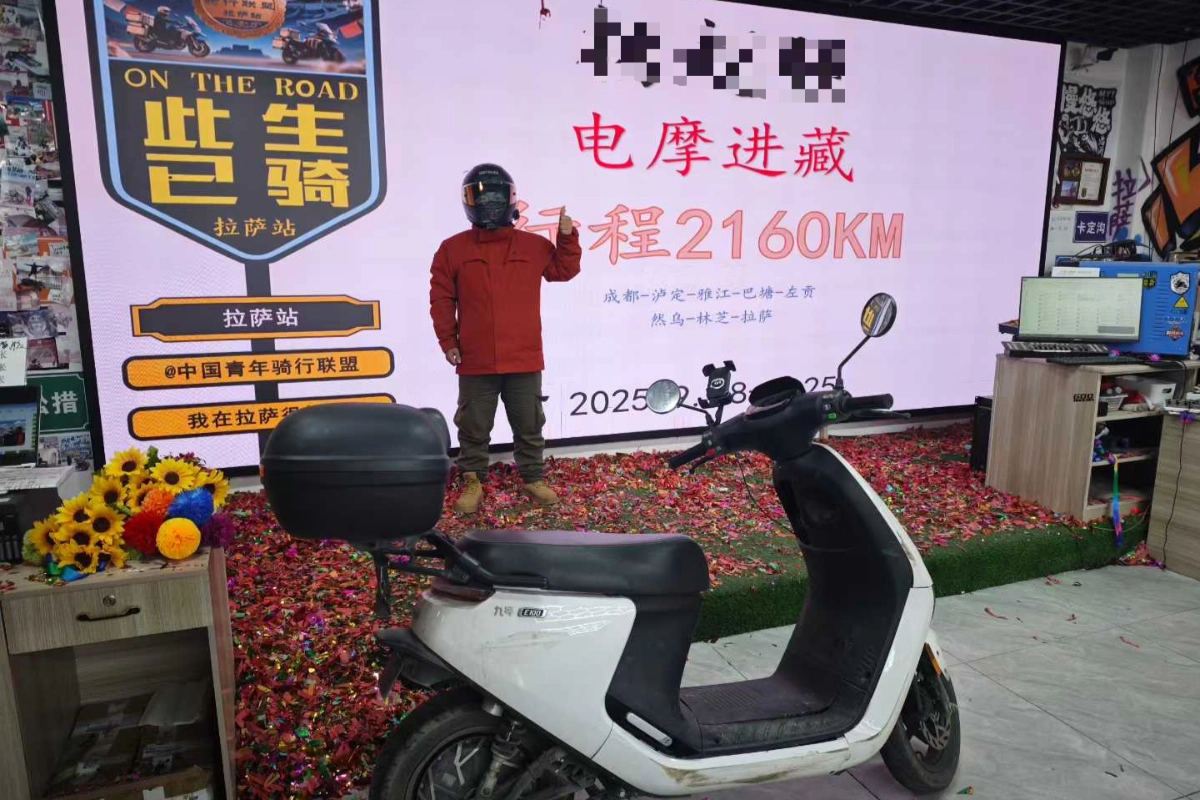
From the very beginning, the journey felt like something out of a dream. The scenery was unreal, with sprawling mountains and winding roads that seemed to go on forever. We were two riders on a mission, filming our journey and soaking in every moment of freedom. But as any seasoned adventurer knows, no great story is without its share of drama. The reality of long-distance electric travel soon hit us, bringing a mix of mechanical failures and logistical hurdles we hadn’t fully anticipated. It was a true test of resilience, pushing both us and our bikes to the limit. The stunning vistas were often paired with the frustrating search for a charging station or a spare part in the middle of nowhere. This is the real story of what it takes to ride an electric motorcycle to the roof of the world.
In our experience, the biggest shift from a gas-powered adventure to an electric one is mental. You trade the convenience of gas stations for the strategic puzzle of charging and regenerative braking. Real-world results show that your plan will almost certainly be disrupted by road conditions, weather, or unexpected battery drain on a steep climb. We’ve learned that success on an electric journey like this is less about raw power and more about resourcefulness, patience, and embracing the unique rhythm of managing your energy.
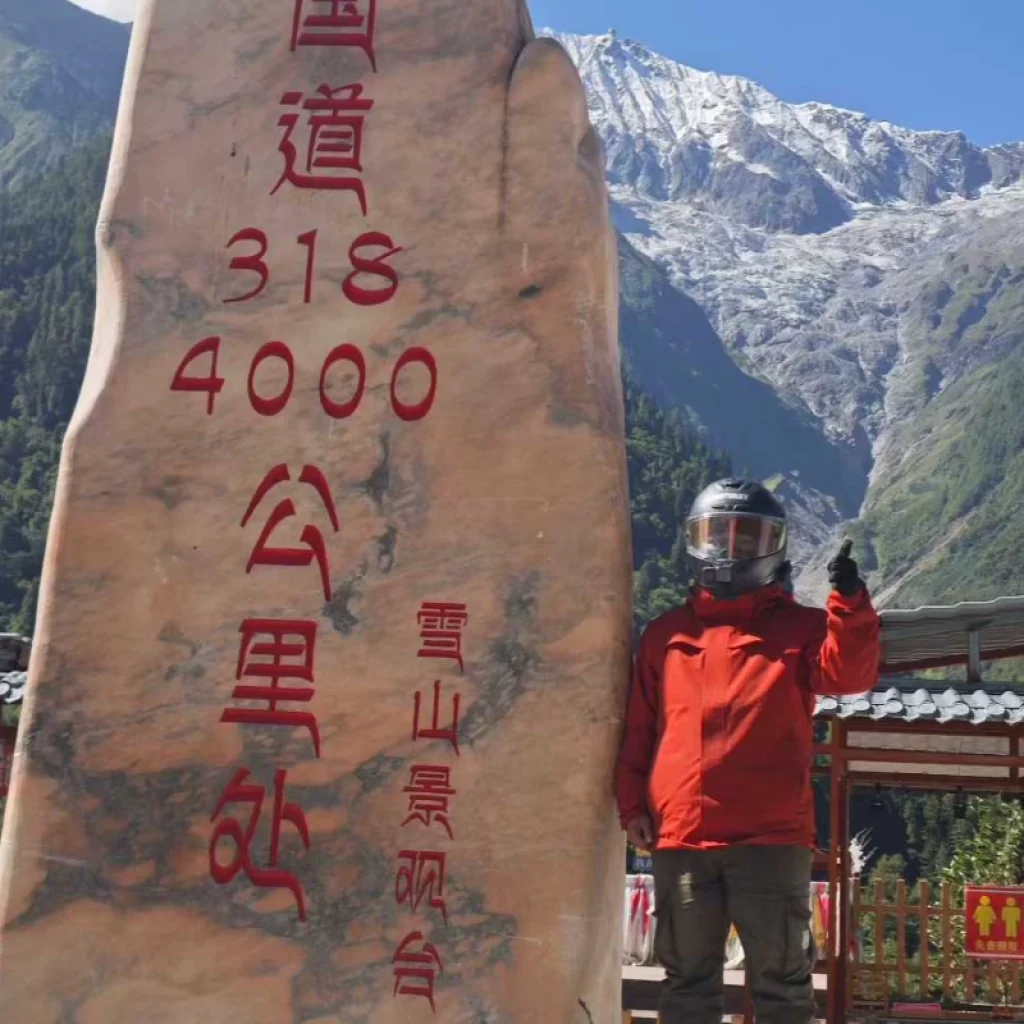
Himalayan Highs & The Flat Tire That Wouldn’t Quit on Route 318
The Himalayas are just breathtaking, truly on another level. One minute you’re carving through these majestic mountain passes on Route 318, feeling like you’re on top of the world, and the next… that dreaded squishy feeling. Another flat. And not just any flat, the same rear tire that has been haunting us for days. Our first patch didn’t hold. Our second, more desperate attempt in a tiny roadside village, also gave up.
The real challenge wasn’t just fixing it; it was finding the right inner tube. We were in the middle of nowhere, and every tube we found was the wrong size. You can’t imagine the rollercoaster of emotions: the sheer awe of the landscape completely crushed by the soul-destroying frustration of a bike that just won’t stay fixed. We’d put on a new, ill-fitting tube, ride for maybe 30 kilometers with stunning peaks all around, and then feel that familiar wobble. Each stop drained our morale. It felt less like a mechanical failure and more like a personal test of patience, pitting us against the very road we came to conquer. Was the universe sending a sign, or was this just part of the adventure?
Mountain Passes vs. My Battery: The Real Story of EV Charging in Tibet
Okay, let’s get real about the mountain passes and what they do to an electric motorcycle’s battery. It’s a total emotional rollercoaster. You start the day with a full charge, feeling unstoppable, but the moment you start climbing, you just watch that percentage drop. It’s brutal. On the big climbs, I’m talking a 1-2% drop for every hundred meters of altitude gained. You’re constantly doing the math in your head, and the range anxiety is real. The cold, thin air up here doesn’t help either; lower temperatures can significantly reduce the efficiency and range of lithium-ion batteries. Source: ScienceDirect.
But then, you reach the summit, and everything changes. The ride down is where the magic happens. Flipping on regenerative braking is the most satisfying feeling. You’re cruising, carving through these incredible landscapes, and literally watching your battery percentage tick back up. On one of the longer descents from a 5,000-meter pass, I managed to recuperate nearly 15% of my battery charge. It’s not a full recharge by any means, but it’s a massive psychological win and a critical factor for making it to the next town. It turns every mountain into a strategic puzzle of energy loss versus energy gain. This constant battery management is a huge part of the adventure, something you just don’t experience on a gas bike.
More Than Just a Flat: Navigating Bike Drops, Bad Roads, and Finding Parts
The road threw more at us than just a persistent flat tire. The sheer weight of these adventure bikes is no joke, especially on the unpredictable terrain we encountered. One moment you’re cruising, the next you’re navigating a section of road that’s more gravel than pavement. My friend had a spill on a particularly nasty patch; thankfully, he was okay, but it was a stark reminder of how quickly things can go wrong. It really brings home the importance of having the right adventure motorcycle gear to handle those “just in case” moments.
Wrestling a 500-pound bike back onto its wheels is a humbling experience, and it highlights a challenge every adventure rider faces. According to a survey of long-distance riders, managing bike weight and dealing with unexpected road hazards are among the top difficulties encountered on extended trips [Source: Mad or Nomad].
Beyond the immediate drama of a fall, the search for parts became a recurring theme. It wasn’t just about finding a specific inner tube; sometimes, it was a hunt for a particular bolt, a fuse, or a specific type of oil. In the more remote stretches, we learned that you can’t just pop into a local shop and expect to find what you need. This constant challenge forced us to become more resourceful and creative with our repairs, turning every setback into another part of the adventure.
Was It Worth It? Final Thoughts on Our Electric Tibet Road Trip
So, the big question: after all the flat tires, the nerve-wracking mountain passes, and the endless search for a charge, was our electric Tibet road trip worth it? Absolutely, one hundred percent, yes.
This journey was a true test of endurance, not just for us but for the bikes themselves. There were moments of doubt, like when we were faced with yet another puncture or watching the battery percentage plummet on a steep incline. But for every challenge, there was an even greater reward. The silent glide through the breathtaking Himalayan landscapes, the kindness of strangers in remote villages, and the sheer sense of accomplishment of reaching Lhasa on electric power alone are memories that will last a lifetime.
This trip pushed the boundaries of what we thought was possible with electric adventure touring. While the infrastructure is still developing, and the bikes aren’t perfect, we proved that it can be done. It requires more planning and a different mindset compared to a traditional gas-powered journey, as highlighted in our guide on How to Plan a Tibet Road Trip. The future of EV adventure is bright, and this experience has only made us more excited to see where these electric steeds will take us next. It wasn’t just a trip; it was a glimpse into the future of exploration.
0 Comment